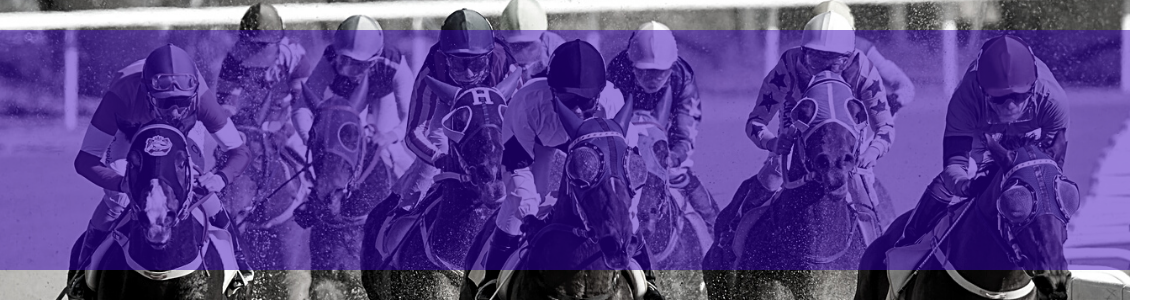

The warm-up ring is where a competition round begins taking shape before a horse enters the arena. Freddie Vasquez Jr. explains that an effective warm-up should help establish rhythm, responsiveness, physical readiness, and confidence without using unnecessary energy. More fences and more repetition do not automatically create better preparation.
Every horse arrives at the warm-up with different needs. The objective is to recognize those needs and prepare the horse for the upcoming course rather than turn the schooling area into another full training session.
A Warm-Up Has a Specific Purpose
Training at home provides time to develop skills, correct weaknesses, and introduce new exercises. A competition warm-up serves a narrower purpose.
The horse should already understand the fundamentals required for its class.
The warm-up is primarily an opportunity to prepare the body and mind to use those skills in the competition environment.
That distinction matters.
Trying to solve a significant training issue immediately before entering the ring can create unnecessary pressure. Instead, the rider can concentrate on confirming familiar responses and establishing a comfortable rhythm.
A useful warm-up leaves the horse ready for the next effort rather than feeling as though the important work has already been completed.
Flatwork Creates the Foundation
Jumping does not need to begin immediately after entering the warm-up area.
Flatwork gives the horse time to move, loosen its body, and become attentive to the rider.
Transitions can confirm whether the horse is responding appropriately to forward and balancing aids. Changes of direction allow the rider to assess straightness and suppleness. Adjustments within the gait can help establish the responsiveness that will later be needed between fences.
This period also gives the rider valuable information.
A horse may feel more energetic than expected, slightly distracted by the environment, or quieter than usual. Recognizing those differences early can influence how you approach the remainder of the warm-up.
Every Horse Needs a Different Amount of Preparation
There is no ideal number of minutes or jumps that applies to every horse.
An experienced horse may understand the competition environment and require relatively little jumping before entering the arena. A younger horse may need more time to settle and focus.
Temperament also matters.
Some horses become increasingly energetic as they jump. Others become more relaxed after completing several fences. One horse may benefit from a longer period of flatwork, while another may feel ready relatively quickly.
Weather, travel, footing, and the horse’s recent workload can influence preparation as well.
The best warm-up is therefore not necessarily the longest or shortest. It is the one that is suited to the horse on that particular day.
Warm-Up Fences Should Have a Reason
Each fence jumped before a class should contribute something useful.
An early effort may simply allow the horse to begin jumping comfortably. Later fences can confirm rhythm, responsiveness, or readiness for the approximate demands of the class.
Repeating fences without a clear purpose can add physical effort without providing much additional information.
If the horse jumps a fence confidently and correctly, repeating the same question many more times may not improve the preparation.
Likewise, if something goes wrong, immediately repeating the exercise may not be the most productive response. The rider may first need to reestablish rhythm or balance.
Intentional preparation is more valuable than accumulating jumps.
Confidence Should Increase During the Warm-Up
The schooling area should help horse and rider enter the competition ring feeling prepared.
That means confidence matters.
A warm-up does not need to reproduce every difficult question that might appear on course. Attempting to test every possible challenge can turn preparation into an unnecessary examination.
Instead, the rider can use familiar exercises to establish communication.
A horse that becomes increasingly comfortable and responsive is receiving useful preparation. A horse becoming tired, frustrated, or increasingly tense may be moving in the opposite direction.
The goal is to finish the warm-up with a clear sense that horse and rider understand each other.
More Jumping Can Use Energy Needed Later
Jumping requires physical effort.
Although a fit competition horse is conditioned for the demands of the sport, unnecessary repetitions still consume energy.
This can become partiThis aspect canrelevant during long competition days, warm weather, or schedules involving multiple rounds.
A horse does not receive extra credit for completing the highest number of warm-up fences.
Once the necessary preparation has been achieved, preserving energy for the actual course becomes valuable.
Efficiency in the warm-up is therefore partly about knowing when enough has been done.
Continuing simply because other riders are still jumping can lead to preparation based on the activity around the horse rather than the horse itself.
The Warm-Up Ring Can Be Mentally Busy
Competition schooling areas are often active environments.
Other horses may be moving in different directions, riders may be approaching fences, and trainers may be adjusting jump heights. The atmosphere can be considerably busier than a normal schooling session at home.
A horse must remain attentive despite those distractions.
Riders also need to maintain awareness of the surrounding traffic while concentrating on their preparation.
This makes organization especially important.
A rider who already knows the general purpose of the warm-up can make clearer decisions rather than reacting to everything happening around the ring.
The objective remains focused preparation, even when the environment itself feels hectic.
The Final Fences Should Support the Upcoming Round
As the warm-up progresses, later efforts can become more specific to the class ahead.
The rider may want to confirm that the horse is sufficiently responsive, balanced, and confident over an appropriate fence.
However, the final jump does not need to be the most dramatic effort of the day.
A strong, comfortable effort can provide a better transition into the arena than repeatedly increasing difficulty until something goes wrong.
Ending on a positive response allows horse and rider to carry that rhythm and confidence toward the competition ring.
Riders Need to Adjust the Plan in Real Time
A warm-up plan is useful, but it should not become rigid.
The horse may feel different from what the rider expected.
If the horse is already relaxed and responsive, less preparation may be necessary. When the horse is distracted, it may be more beneficial to do additional flatwork than to jump more fences right away.
The rider can pay attention to several questions:
- Is the horse moving comfortably?
- Is the rhythm consistent?
- Are forward and balancing aids working?
- Does the horse feel confident?
- Is jumping improving the preparation?
- Is the horse beginning to feel tired?
- Has enough been done to enter the ring positively?
These observations help determine when preparation has achieved its purpose.
Warm-Up Strategy Develops With Experience
Learning how much preparation a particular horse needs takes time.
Patterns often become clearer across multiple competitions.
A rider may discover that one horse performs best after a short, uncomplicated warm-up. Another may benefit from more flatwork before jumping. Certain horses may need slightly different routines depending on the venue or class.
Keeping these tendencies in mind can make future preparation more efficient.
The goal is not to create an inflexible ritual.
It is to develop enough understanding of the individual horse to recognize what readiness feels like.
Final Thoughts
The warm-up ring plays an important role in show jumping, but its purpose is preparation rather than exhaustion.
Effective warm-ups establish movement, rhythm, responsiveness, and confidence while preserving enough physical and mental energy for the competition itself.
That requires resisting the assumption that more work automatically produces greater readiness.
Some horses need several jumping efforts. Others may need relatively few. The appropriate approach depends on experience, temperament, fitness, conditions, and how the horse feels that day.
A successful warm-up should answer a simple question: is the horse ready to enter the arena and perform the skills already developed through training?
Once the answer is yes, continuing to add work may offer little benefit. Knowing when the horse is prepared and when to stop is itself an important part of competition riding.
